How important are essential requirements for shortlisting?
It is crucial to understand the NHS essential requirements that determine whether your junior doctor application is shortlisted or rejected — especially when roles fill within hours and recruiters rely heavily on automated filters.
What Are Essential Requirements?
Essential requirements are the minimum criteria you must meet to be considered for a junior doctor role. They act as the first barrier in the shortlisting process. If even one requirement is missing or unclear, your application is rejected during the initial sift — often by an automated system before a human recruiter ever sees it. Some non-negotiable requirements include:
- MBBS or equivalent medical qualification
- Full GMC registration with licence to practise
- Relevant clinical experience (e.g., 6 months in medicine or surgery)
- Core clinical skills such as venepuncture and cannulation
- Training certificates like ALS
- Right to work in the UK (i.e., no sponsorship provided)
- Clear English communication skills
Why Essential Requirements Matter for Shortlisting
NHS recruiters use essential requirements to filter large volumes of applications quickly. Junior doctor roles often receive dozens of applicants within hours, and many trusts close listings early once they reach saturation. This makes the essential requirements check the strictest and most unforgiving part of the process.
- Many roles close early due to high volume
- Some trusts are more competitive than others, and some of them post way more roles than others
- Recruiters often skim for keywords rather than reading full paragraphs, making clarity essential
- Missing one essential requirement results in automatic rejection, even if the rest of your application is strong
A 2025 research by totaljobs.com showed that 50% of all job applications never make it past the first stage of the hiring process, highlighting the importance of meeting essential requirements so as not to waste unnecessary effort.
Most Common Essential Requirements (Based on 10,000+ Listings)
Analysing thousands of junior doctor job listings reveals what NHS trusts consistently expect from candidates. These insights help you prepare proactively and avoid unnecessary rejections.
- GMC registration appears in nearly every listing — failing to state it clearly is a common reason for rejection
- ALS is commonly required for acute and medical specialties
- Specialty-specific experience (e.g., 6 months in medicine) is a frequent filter used to reduce applicant volume
- Communication skills are universally required, especially for patient-facing specialties
- Immediate availability is common, making timing crucial, and applying fast increases your chances
Hard vs Soft Essential Requirements
There are two types of essential requirements: hard and soft. The ones that are strict, binary, and non-negotiable are known as hard essential requirements. Others that are more interpretive and based on judgement are referred to as soft essential requirements. Understanding the difference helps you prioritise what to highlight clearly in your CV and supporting information.
Hard Essential Requirements
Hard essential requirements are criteria that can be verified instantly and objectively. You either meet them or you do not. These requirements are the first things recruiters check, and missing even one results in automatic rejection before your application is ever read in detail. Some of the most common examples include:
- Full GMC registration with licence to practise
- MBBS or equivalent medical degree
- In-date ALS or other mandatory training
- Right to work in the UK
- Specific clinical experience (e.g., 6 months in acute medicine)
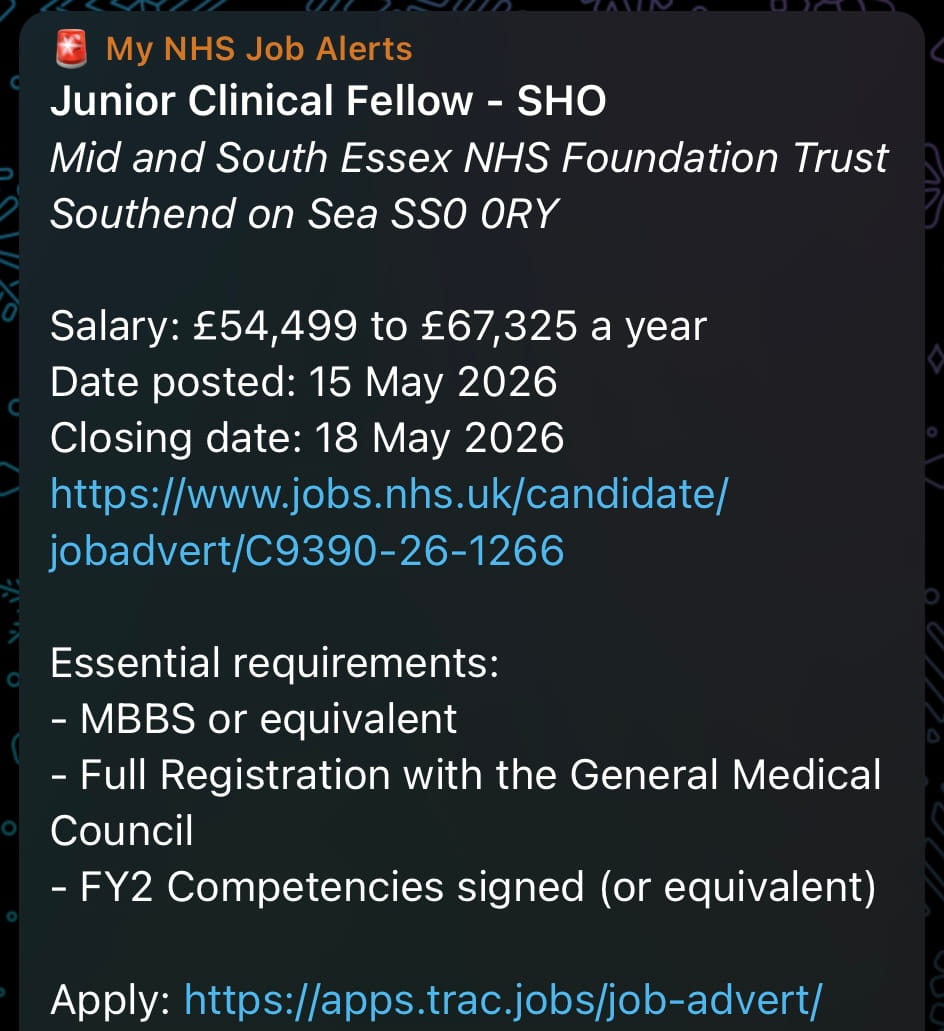
Hard requirements matter more than anything else because they are used to reduce applicant volume quickly. Recruiters can receive hundreds of applications within hours, and the fastest way to filter is by checking these binary criteria. If your application does not clearly show you meet them, you will not be shortlisted — even if you are otherwise an excellent candidate.
It is not recommended to apply for roles where you do not meet hard essential requirements. You wouldn't be penalised in any way, but ultimately you are simply wasting both your time and the recruiters' time because these hard requirements are completely non-negotiable.
Soft Essential Requirements
Soft essential requirements are still important, but they are subjective and cannot be verified instantly. They rely on interpretation, judgement, and how well you communicate your experience in your supporting information.
- Ability to prioritise clinical need
- Teamwork and leadership skills
- Communication and interpersonal skills
- Ability to work under pressure
- Commitment to patient-centred care
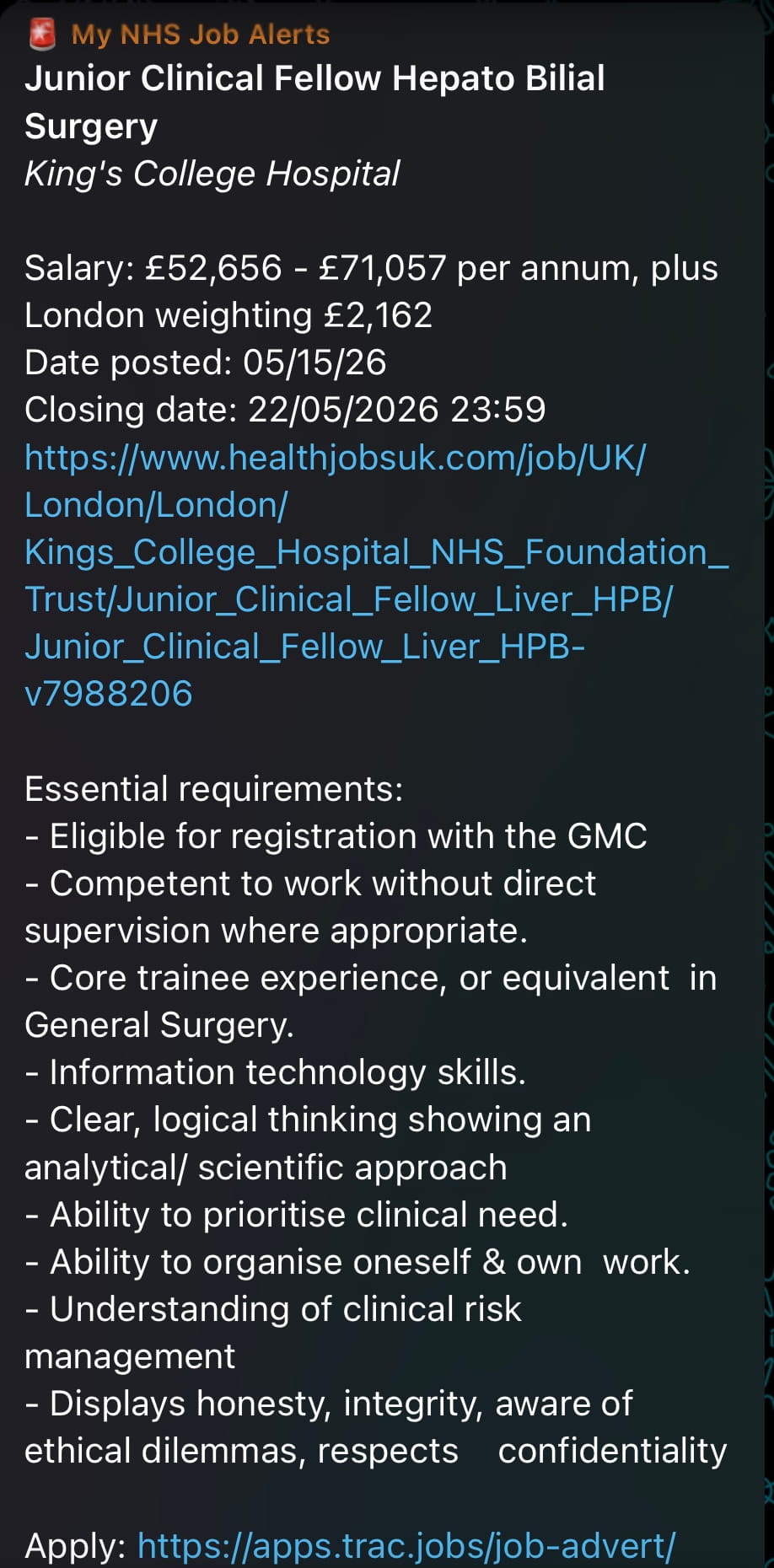
These requirements are rarely the reason candidates fail the initial sift. Instead, they influence how strong your application appears after you have passed the hard-requirement check. They help differentiate you from other candidates who meet the same minimum criteria.
Why Hard Requirements Matter More
In the NHS shortlisting process, hard requirements act as the gatekeeper. If you do not meet them, or if you fail to present them clearly, your application will never progress to the stage where soft skills matter.
- Recruiters often use automated systems (ATS) and keyword searches to verify hard requirements quickly
- Soft skills only matter after you pass the hard-requirement filter
- Many candidates meet soft requirements, but far fewer meet all hard ones
- Hard requirements are the main reason for early rejection
This is why your CV and supporting information must make hard requirements immediately visible. Recruiters do not have time to infer or search for them. If they cannot verify them in seconds, they move on to the next applicant.
Insights From Analysing 10,000+ Junior Doctor Listings
Reviewing thousands of NHS junior doctor job listings reveals a consistent pattern: hard requirements appear in almost every listing, while soft requirements vary widely between trusts and specialties.
- Hard requirements like GMC registration and ALS appear in nearly all listings
- Soft requirements differ significantly between trusts, making them less reliable as filters
- Hard requirements are used to reduce applicant volume quickly during peak posting hours — most jobs appear between 9am and 5pm on working weekdays
- Soft requirements become more important only after hard requirements
The takeaway is simple: hard requirements determine whether you are shortlisted at all, while soft requirements influence how competitive you are within the shortlist.
How to Make Sure You Meet All Essential Requirements
Meeting essential requirements alone is not enough — you must present them clearly so recruiters can verify them instantly. Many candidates meet the criteria but fail to communicate them in a way that passes the initial sift.
- Mirror the exact wording used in the job description, as both automated systems and human recruiters search for keyword matches
- Place essential qualifications at the top of your CV to make them immediately visible
- Highlight clinical skills in bullet points rather than long paragraphs
- Include dates for all training courses, such as ALS
- IMGs should ensure their experience aligns with UK standards — here's how to find suitable roles
Common Reasons Candidates Fail the Essential Requirements Check
Many strong candidates are rejected simply because their application does not clearly demonstrate that they meet the essential criteria. These mistakes are avoidable with the right preparation.
- Not stating GMC registration explicitly, assuming it is implied
- Not listing ALS or mandatory training clearly — recruiters often search for "ALS" specifically
- Failing to mention required specialty experience, even if you have it
- Leaving gaps in employment history without explanation; good or bad, all gaps MUST be listed
- Applying too late, when roles are already saturated — early applicants have a clear advantage
- Using long paragraphs instead of clear bullet points, making it harder for recruiters to verify eligibility quickly
How Instant Job Alerts Help You Get Shortlisted
Even if you meet every essential requirement, timing determines whether your application is seen. Junior doctor roles often fill within hours, and many trusts shortlist on a rolling basis. Instant job alerts ensure you apply early enough to be considered.
- Receive new listings the moment they go live
- Apply before roles close early or reach saturation
- Reduce time spent refreshing job boards and increase time spent preparing strong applications and improving your career
- Never miss a job that matches your essential criteria
- Prioritise roles aligned with your qualifications and experience, improving your shortlisting odds
The Bottom Line
Essential requirements determine whether you are shortlisted, while applying early determines whether you are even considered. Combining strong eligibility with instant job alerts gives you the best chance of securing competitive junior doctor roles and avoiding automatic rejection during the first sift.