Debunking the myth: Are consultants applying for junior NHS roles?
Well, not really. This rumour has spread widely across IMG communities, causing anxiety, confusion, and unnecessary fear. But is there any truth to it?
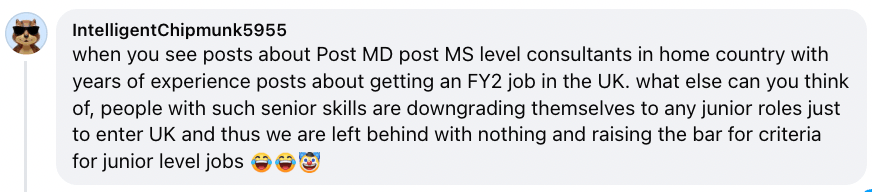

We have personally spoken to junior doctors and NHS interviewers in recent months, and the evidence is clear: consultants are not taking junior NHS jobs. The myth persists online, but reality tells a very different story.
Where This Myth Comes From
Many IMGs hear claims that overseas senior doctors, including consultants, are applying for SHO, JCF, and Trust Grade roles. These stories often spread through WhatsApp groups, Telegram channels, and social media such as Facebook and Reddit without any verification. Several factors contribute to this fear:
- General frustration with repeated rejections
- Lack of transparency in NHS shortlisting processes
- Viral misinformation shared without evidence, often anonymously
- Assumptions that "someone more senior must be taking the jobs"
However, when we look at actual hiring patterns, the myth falls apart.
Real Hiring Data From NHS Trusts
In recent hiring rounds across F2/3-level junior doctors at several NHS hospitals in the midlands, almost all successful candidates were under 32 years old. We also know of at least four senior applicants aged 40 and above, including those with full MRCP, who were rejected from junior roles without explanation.
This aligns with what NHS hiring managers repeatedly confirm: senior doctors are not being hired into junior roles. Trusts avoid overqualified candidates for several reasons, including rota safety, supervision requirements, and long-term workforce planning.
Why Consultants Are Not Successful in Applying for Junior NHS Roles
The idea that consultants are competing for SHO or JCF posts does not match the realities of NHS recruitment. There are several practical reasons why this does not happen:
- Junior roles pay far below consultant-level salaries
- Consultants follow different GMC pathways (CESR, specialist registration)
- Trusts avoid overqualified hires due to rota safety concerns
- Senior doctors prefer specialty or middle-grade posts
- Visa sponsorship rules make senior-to-junior downgrades unlikely
In short, consultants are not applying for junior roles. Even if they did, they would not be shortlisted, as seen from some of the applicants that we know of.
The Real Reasons IMGs Struggle to Get Shortlisted
If consultants are not taking junior roles, why do so many IMGs struggle to get shortlisted for interviews? The answer lies in the structure of NHS recruitment, not in competition from senior doctors.
- Many roles require at least 6 months of NHS experience
- Some posts do not offer Certificate of Sponsorship (CoS)
- Listings often close early due to high application volume
- IMGs frequently apply too late in the cycle
- Some requirements (like ALS) are expected internally even if not listed
These are the real barriers, not consultants applying for junior roles. Also, it can take up to a year for IMGs to secure junior doctor roles.
How Instant Job Alerts Help You Overcome These Barriers
One of the biggest challenges IMGs face is timing. NHS job listings can become saturated within hours, and popular listings such as those that do not require NHS experience can close within an hour. By using an instant alerts service, you can:
- Apply way before listings become saturated
- Catch jobs that close early
- Avoid manually checking jobs.nhs.uk and healthjobsuk all day
- Identify IMG-friendly roles faster
- Increase your chances of being shortlisted
Speed matters — and applying early can make the difference between not being seen at all, or an interview shortlist.
Conclusion
The myth that consultants are applying for junior NHS roles is not supported by any real-world evidence. Hiring data, trust feedback, and recent recruitment cycles all show the same pattern: junior roles are filled by junior doctors, not senior consultants.
The real challenge for IMGs lies in timing, job saturation, hidden requirements, and the complexity of NHS recruitment. By focusing on applying quickly and strategically, you can dramatically improve your chances of securing your first NHS role.